
Most of us think about UV rays only when we’re packing sunscreen for a beach trip. But ultraviolet (UV) radiation is something we’re exposed to almost every day, whether we’re outside for five minutes or five hours. Understanding what it is and what it does to your body over time can help you make smarter choices for your skin, your eyes, and your overall health.
What Exactly Is UV Radiation?
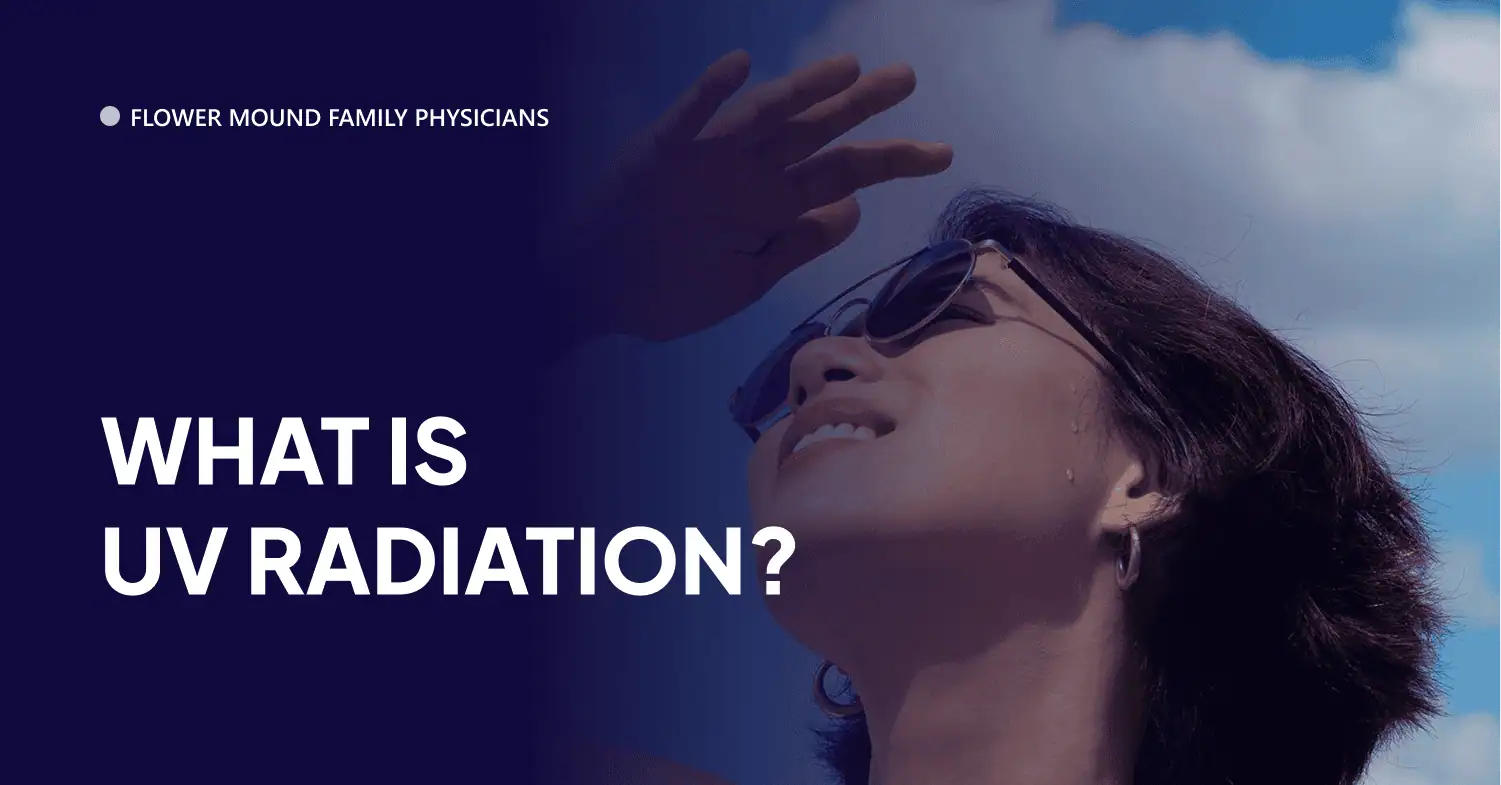
UV radiation is a type of energy that comes from the sun (and from man-made sources like tanning beds). It falls on the electromagnetic spectrum between visible light and X-rays, meaning it carries more energy than the light we can see, but not as much as more intense forms of radiation.
There are three types of UV rays:
● UVA rays – These penetrate deep into the skin and are the primary cause of premature aging, wrinkles, and long-term skin damage. They can pass through windows and clouds, which is why skin damage can happen even on cloudy days or during a long car ride.
● UVB rays – These are the rays responsible for sunburn. They affect the outer layers of the skin and are strongest during midday hours.
● UVC rays – These are the most dangerous type, but the earth’s atmosphere blocks them almost entirely, so they aren’t a major concern for everyday sun exposure.
Why UV Exposure Matters More Than You Think
A little sunlight isn’t a bad thing. In fact, moderate sun exposure helps your body produce vitamin D, which supports bone health, immune function, and mood. The concern is with cumulative, unprotected exposure over time.
Here’s what repeated UV exposure can contribute to:
● Skin damage and premature aging. UVA rays break down collagen and elastin, leading to fine lines, sagging, and age spots well before their time.
● Sunburn and long-term skin injury. Even a single blistering sunburn, especially during childhood, significantly raises the lifetime risk of skin cancer.
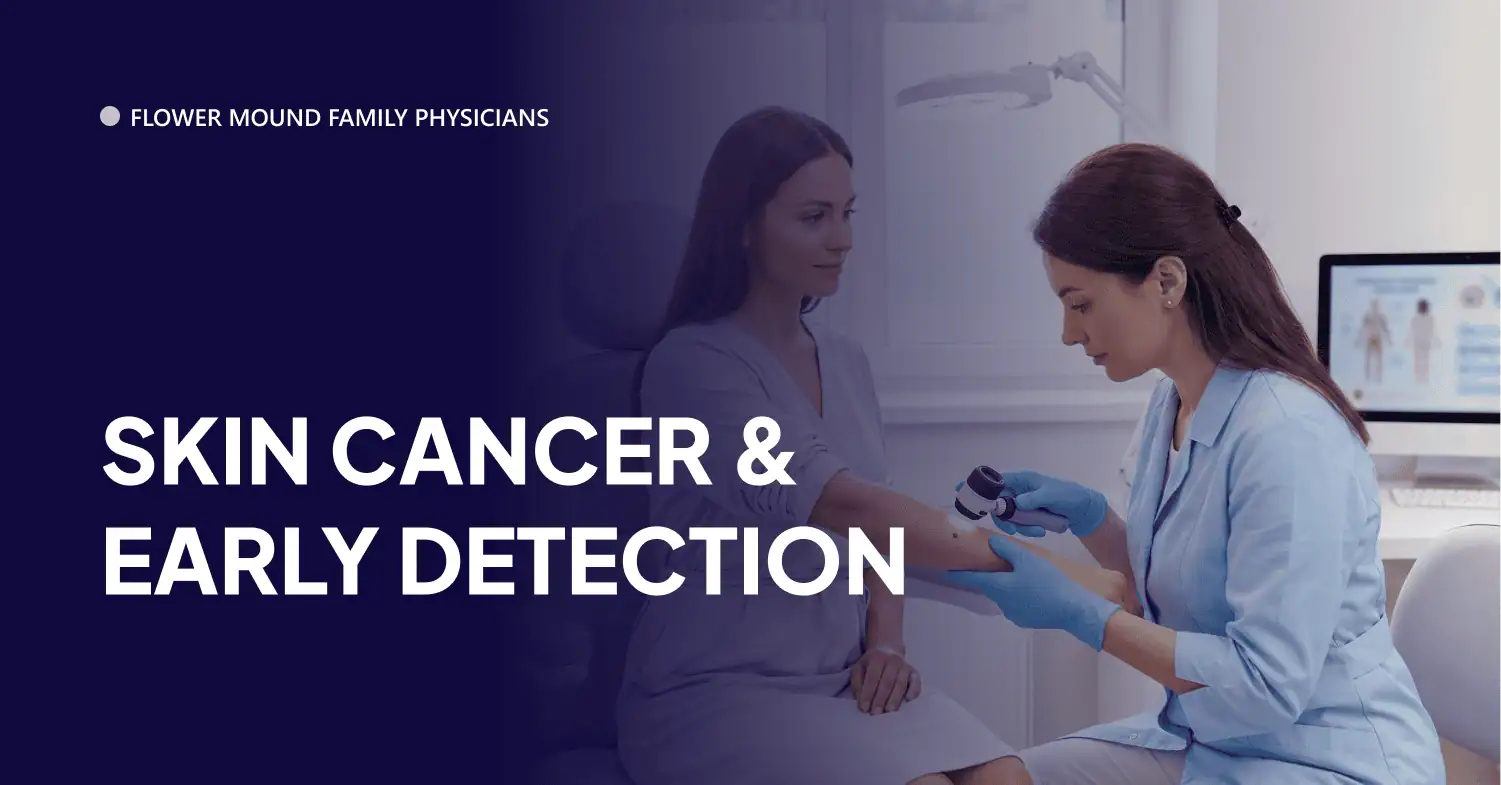
● Skin cancer. UV radiation is the leading environmental cause of skin cancer, including melanoma, the most serious form. Regular skin checks are one of the most effective ways to catch changes early, when they’re most treatable.
● Eye damage. UV rays can contribute to cataracts, macular degeneration, and other eye conditions over time.
● A weakened immune response. Some research suggests that excessive UV exposure can suppress the skin’s immune function, making it harder for the body to defend against certain illnesses.
Who Is Most at Risk?
While everyone is affected by UV radiation, some people are more vulnerable than others, including those with fair skin, a family history of skin cancer, children, outdoor workers, and anyone living in areas with high sun intensity like North Texas, where sunny days are common for most of the year. Certain medications can also increase sun sensitivity, which is worth discussing with your doctor if you’re on a new prescription.
How to Protect Yourself
The good news is that UV protection doesn’t have to be complicated. A few consistent habits go a long way:
● Wear a broad-spectrum sunscreen of SPF 30 or higher, even on cloudy days
● Reapply sunscreen every two hours when outdoors, or after swimming or sweating
● Seek shade during peak UV hours, generally between 10 a.m. and 4 p.m.
● Wear UV-blocking sunglasses and a wide-brimmed hat
● Avoid tanning beds, which use concentrated UVA rays
● Keep an eye on new or changing moles or spots on your skin
When to See Your Doctor
If you notice a mole that’s changed in size, shape, or color, a sore that won’t heal, or any unusual skin changes, it’s worth having it looked at rather than waiting. Routine checkups are also a good opportunity to talk through your sun exposure history and get a professional opinion on anything that concerns you. Our team offers comprehensive routine health services, including preventive screenings that can help catch skin concerns early, before they become bigger problems.
And if a day in the sun turns into a bad sunburn, heat exhaustion, or another sun-related issue that needs prompt attention, our minor emergencies services are here to help you get the care you need quickly.
The Bottom Line
UV radiation is part of everyday life, but that doesn’t mean it should be ignored. A little awareness and a few simple habits can make a real difference in protecting your skin, your eyes, and your long-term health. If it’s been a while since your last checkup, now is a great time to schedule one and make sun safety part of your regular health conversation.
Flower Mound Family Physicians are here to support your health at every stage of life. Contact us today to schedule an appointment.
Frequently Asked Questions
UVA rays penetrate deep into the skin and cause long-term damage like wrinkles and age spots, while UVB rays affect the skin’s outer layer and are the main cause of sunburn. Both contribute to skin cancer risk over time.
Yes. Up to 80% of UV rays can pass through clouds, so skin damage can still occur even when it doesn’t feel sunny. Daily sunscreen use is recommended regardless of the weather.
Sunscreen significantly reduces UV exposure, but it works best when combined with other habits like seeking shade, wearing protective clothing, and avoiding peak sun hours. No single measure offers complete protection on its own.
People with fair skin, a family history of skin cancer, children, outdoor workers, and those living in sunny climates face higher risk. Certain medications can also increase sun sensitivity.
A broad-spectrum sunscreen with SPF 30 or higher is generally recommended for daily use, reapplied every two hours when outdoors or after swimming or sweating.
Most adults benefit from an annual skin check, though people with higher risk factors may need more frequent screenings. Talk to your doctor about a schedule that fits your personal risk level.