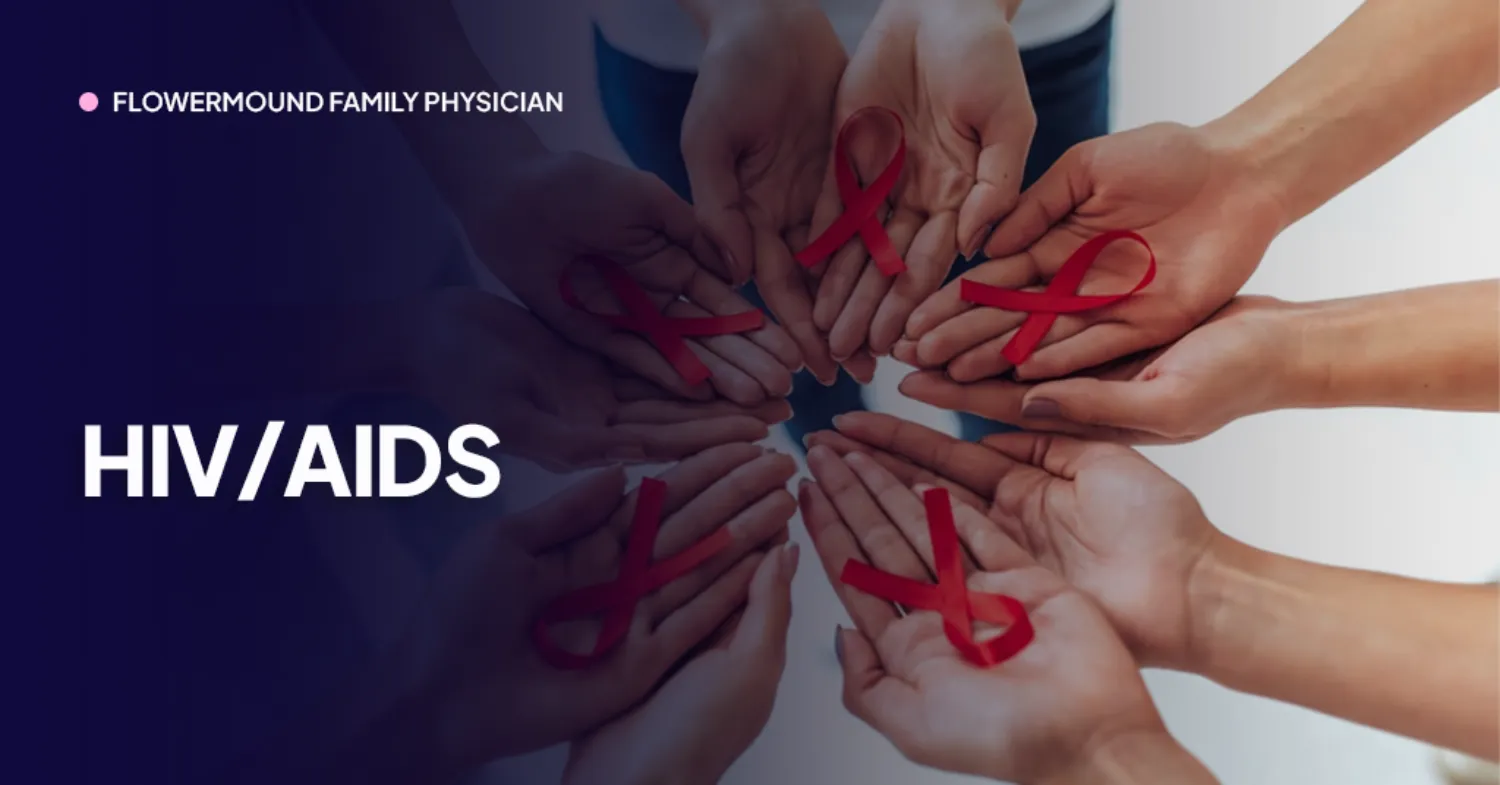

December marks HIV/AIDS Awareness Month, a time to reflect on the progress made in fighting the HIV epidemic and to raise awareness about the continued efforts in treatment, care, and prevention. At Flower Mound Family Physicians, we are deeply committed to addressing the HIV crisis through patient-centered care, early intervention, and education.
Over the decades, the U.S. has made tremendous strides in the treatment and care of HIV, transforming what was once considered a fatal diagnosis into a manageable chronic condition. However, the fight against HIV continues, as there is still a significant need for education, testing, and care for those at risk or living with HIV.
We’ll provide you with in-depth information on the importance of HIV prevention, the role of early testing, and our crucial role in HIV care and prevention. We will explore the latest research and key strategies to reduce the spread of HIV and provide effective care to those affected.
HIV and AIDS: Understanding the Disease and Its Impact
HIV (Human Immunodeficiency Virus) is a virus that strikes your body’s immune system, specifically aiming for the CD4 cells (T-cells), which mainly help the body fight diseases and infections. When left untreated, HIV fatigues the body’s immunity and normal healing ability, ultimately leading to AIDS (Acquired Immunodeficiency Syndrome). Once someone progresses to AIDS, their immune system is severely compromised, leaving them vulnerable to infections and certain cancers.
However, with early diagnosis and effective antiretroviral therapy (ART), people diagnosed with HIV can live for an extended period of time and can even experience a healthy life. Our experts prioritize early intervention and ongoing monitoring for those living with HIV to ensure viral suppression and a high quality of life. ART works by reducing the HIV viral load in the body to undetectable levels, which is vital in preventing the progression to AIDS and reducing the transmission of the virus.
The Importance of HIV Prevention for Yourself and Others
HIV prevention is a global health priority, and we are committed to educating our patients on the most effective prevention strategies. Prevention is not exclusively about caring for and protecting yourself from diseases and infections, but also about lowering and reducing the risk of HIV transmission to others. PrEP (Pre-exposure Prophylaxis), condom use, and regular HIV testing are all critical components of HIV prevention.
FDA-approved PrEP is a medication that can decrease the danger and risk of HIV transmission from one individual to another by up to 99% if used as advised by a board-certified doctor. For individuals at high risk of contracting HIV, including same gender sexual interactions, drug addicts sharing or injecting with used syringes, and individuals in polyamorous intimate relations, PrEP is a powerful tool in preventing HIV infection.
In addition to PrEP, using condoms during sexual activity and regular testing are essential in protecting oneself and others. Regular HIV testing is key to early detection, allowing individuals to start treatment early and prevent the spread of HIV.
HIV Testing & Early Detection
Early HIV testing is essential for preventing the progression of the virus and improving long-term health outcomes. HIV can be asymptomatic for years, making regular testing the most recommended way to be informed and updated about your HIV status. Our experts offer routine HIV testing as part of our annual wellness exams for all patients, especially those at high risk for HIV infection.
The CDC recommends that all individuals aged in their teen years to adults over 60 and everyone in this bracket be tested for HIV at least annually, and that someone at higher risk be tested more frequently. If you test positive for HIV, starting ART as soon as possible can prevent the virus from progressing to AIDS and improve your overall health.
Regular HIV testing also plays a crucial role in preventing the spread of the virus, as individuals who are aware of their HIV status can take necessary precautions to prevent transmission.
HIV Care Management for Lifelong Support and Health
Managing HIV is a lifelong commitment; we specialize in providing holistic care for a person that is trying to live their life with HIV. Chronic disease management is an essential part of our care model, as we focus on improving both the physical and mental health of our patients.
FMFP offers routine health screenings, viral load monitoring, and mental health support to ensure that individuals living with HIV receive the care they need to live long, healthy lives. In addition to medical management, we provide nutritional counseling, lifestyle recommendations, and social resources to improve quality of life.
For individuals living with HIV, ongoing care that includes supportive services is vital to managing the condition and preventing complications.
Reducing Stigma Around HIV/AIDS Awareness Month
HIV/AIDS Awareness Month is not just about reflecting on past progress but also about encouraging community action. It is an appropriate and fitting time to educate people and raise awareness about HIV, its prevention, approved testing methods, and lifelong care, and the goal is to reduce stigma surrounding HIV. We use this month to engage with the community, promote HIV testing, and provide resources to help individuals understand the importance of early detection and care.
During this month, we also encourage people to talk openly about HIV, engage with educational campaigns, and support those living with HIV. Reducing the stigma surrounding HIV is a crucial step in ensuring that more individuals get tested and seek the
Comprehensive HIV Care Beyond Medication
While much of the focus in HIV care revolves around medications, Flower Mound Family Physicians recognizes that holistic care, including mental health support, is critical to managing HIV effectively. Individuals living with HIV often face unique emotional and psychological challenges. These can include feelings of isolation, fear of stigma, anxiety about health outcomes, and depression.
We provide a comprehensive HIV care model that integrates psychosocial support alongside medical treatment. Our patients benefit from regular mental health screenings, counseling sessions, and support groups. We recognize that mental well-being plays a major role in the success of antiretroviral therapy (ART), as individuals who feel emotionally supported are more likely to adhere to their treatment plan.
The Role of Nutrition in HIV Management Through Diet
Nutrition plays a vital role in supporting the immune system, and this is especially true for individuals who have been diagnosed and are now living a life with HIV. Our experts suggest that dietary habits can impact the progression of HIV and overall health. Poor nutrition can weaken the immune system, increase susceptibility to opportunistic infections, and interfere with the effectiveness of antiretroviral therapy (ART).
We offer nutritional counseling tailored to the needs of our HIV-positive patients. By focusing on a balanced diet rich in essential antioxidants, multi-vitamins, and the required concentration of minerals, we help patients improve their immune function and overall well-being. This includes incorporating foods that boost immunity and the body’s defenses against resilient infections and diseases, naturally grown fruits, fresh vegetables, lean proteins, and whole grains in the diet.
The Importance of HIV Prevention Education for At-Risk Populations
Education and Awareness are one of the most efficient and powerful tools in the fight against HIV. However, we take HIV prevention a step further by specifically targeting at-risk populations with tailored education and resources. This approach goes beyond general information about condom use, and PrEPit focuses on empowering every proud citizen of Flowermound, Texas, to make educated decisions in their life regarding health, as they directly affect their future.
By providing community outreach programs that are designed to reach at-risk groups such as men who have sex with men, youth aged 13-24, and people who inject drugs. These groups face significant challenges in accessing HIV prevention resources and often have limited knowledge of safe practices or available treatments. Through personalized education sessions, workshops, and counseling, we aim to raise awareness about HIV risk, the benefits of regular testing, and the importance of PrEP and condom use.
Frequently Asked Questions
HIV (Human Immunodeficiency Virus) is the virus that strikes the human immune system, particularly targeting the CD4 cells as its main aim, which are essential for the body’s immune response. AIDS is the most severe and intense stage of HIV, where the immunity is severely impacted and weakened. However, with early diagnosis and consistent ART, individuals with HIV can manage their condition and avoid progressing to AIDS.
To reduce the risk of HIV, it’s important to practice safe sex by using condoms, get tested regularly, and for individuals at higher risk, take PrEP (Pre-exposure Prophylaxis). Our experts offer PrEP consultations and HIV testing as part of our complete preventive care mechanism.
HIV is transmitted through bodily fluids, from blood, semen, various vaginal fluids, to even lactating breast milk. It is not transferred through casual interaction, such as hugging each other, kissing, or sharing your food with others. We educate patients on how to reduce their risk through safe sex practices and regular testing.
It is recommended that everyone, from teenagers to older adults, and everyone in between, get tested for HIV at least once. Individuals at higher risk, such as those who have multiple sexual partners or engage in unprotected sex, should get tested annually or more frequently based on their lifestyle. FMFP includes HIV testing in our routine health screenings.
Conclusion
At Flower Mound Family Physicians, we are committed to providing expert HIV care and raising awareness about the month that focuses on HIV/AIDS prevention, early detection, treatment, and long-term health management. We believe that through education, regular testing, and comprehensive care, we can make a significant impact on the fight against HIV. During HIV/AIDS Awareness Month, let’s raise awareness, get tested, and seek the care we need. Together, we can continue to reduce stigma, improve HIV prevention, and ensure that everyone in the United States and all around the world has access to the awareness and care they deserve.